
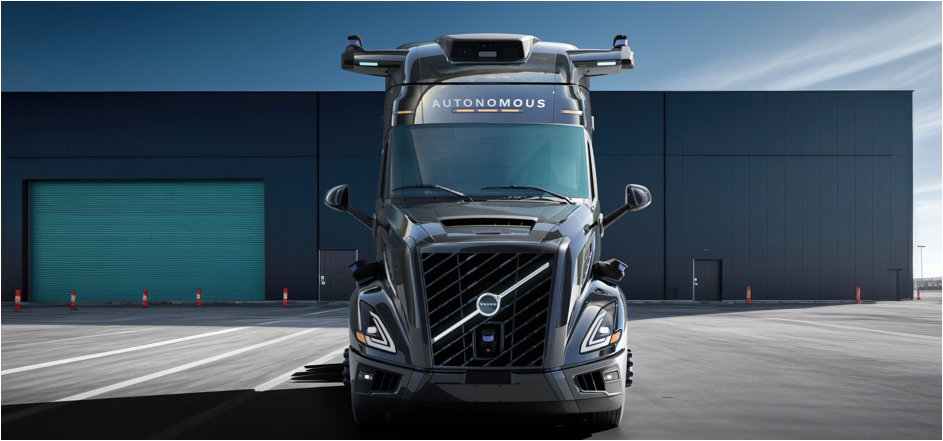
Self-Driving Trucks: The Future of Logistics Is Already Here
For years, the idea of self-driving trucks sounded like something out of a science fiction movie. A futuristic concept that many believed would never move beyond the pages of tech magazines or the laboratories of ambitious engineers. But today, that distant concept has become a reality. Autonomous trucking is no longer a dream — it’s a rapidly emerging technology that is already being tested on highways across America and beyond. And it promises to reshape the logistics industry in the coming decade.
From Concept to Reality
Advances in artificial intelligence, machine learning, and sensor technology have allowed trucks to operate with a level of precision and safety that rivals — and in some cases surpasses — human drivers. Major companies are pouring billions into research and development, while partnerships between tech firms and transportation giants are accelerating adoption. Pilot programs are already proving that autonomous trucks can handle long-haul routes, navigate traffic, and deliver goods with remarkable efficiency.
Why Autonomy Is a Necessity, Not a Threat
For many, the term “driverless” sparks feelings of unease. After all, the trucking industry has always been tied closely to human skill, grit, and determination. But the truth is autonomy isn’t about replacing people — it’s about addressing urgent challenges. The industry faces a chronic driver shortage, rising fuel costs, and increasing demand for faster deliveries. Self-driving trucks can help close that gap by handling long, monotonous highway stretches, reducing accidents caused by fatigue, and operating more efficiently.
Supporting, Not Replacing, Drivers
Rather than eliminating drivers, autonomous trucks are likely to change their role. Drivers may become more like supervisors, managing fleets, overseeing last-mile delivery, or focusing on complex routes that require a human touch. In many ways, the technology could improve quality of life for drivers by reducing the grueling long-haul trips that keep them away from family for weeks at a time.
The Road Ahead
The next decade will be transformative. As regulations adapt and technology matures, we can expect to see autonomous trucks gradually integrated into everyday logistics. Companies that embrace this shift will gain an edge in efficiency, cost savings, and safety. At the same time, society will need to adapt — ensuring that workers are supported through training and that the benefits of automation are shared broadly.